April 24, 2026
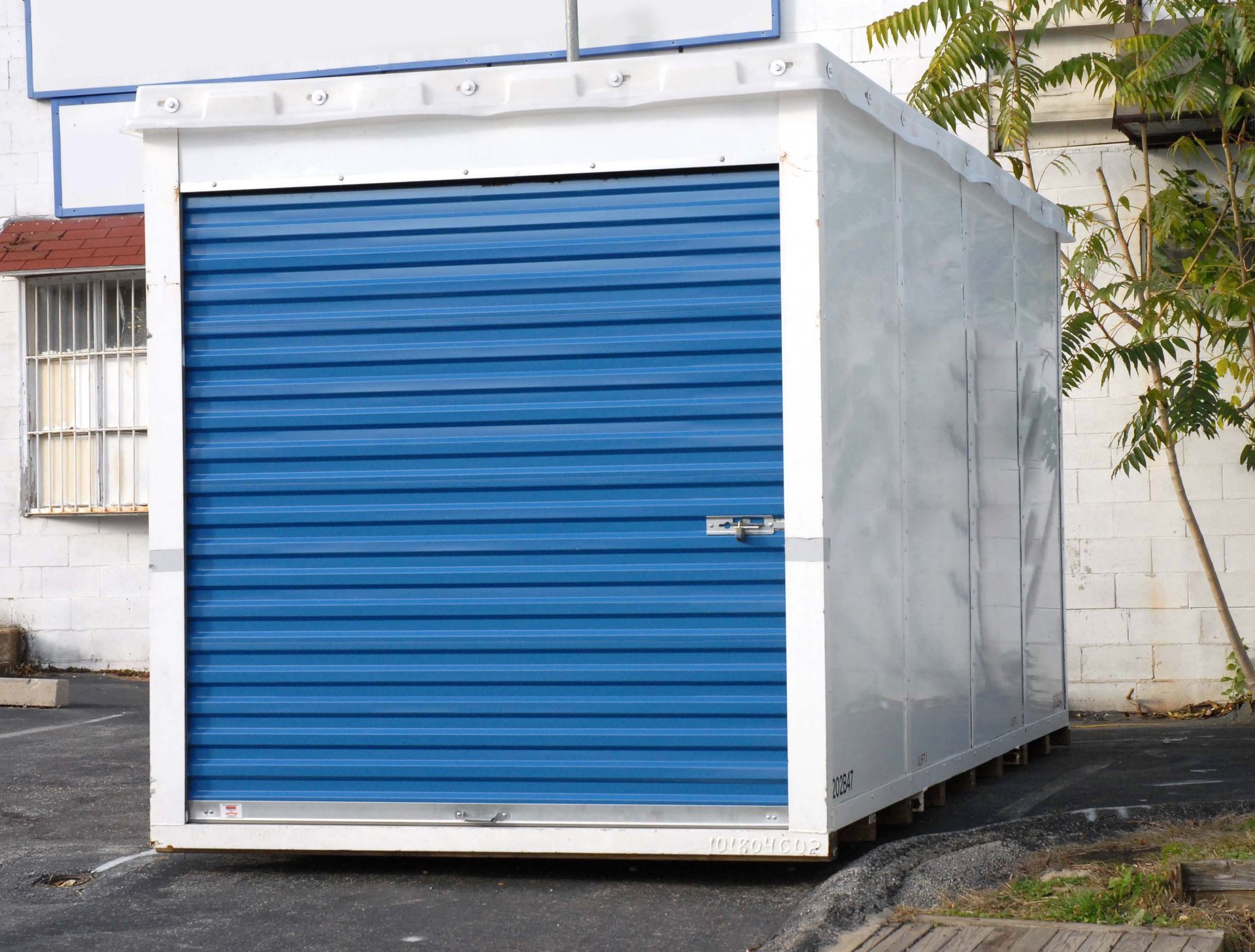
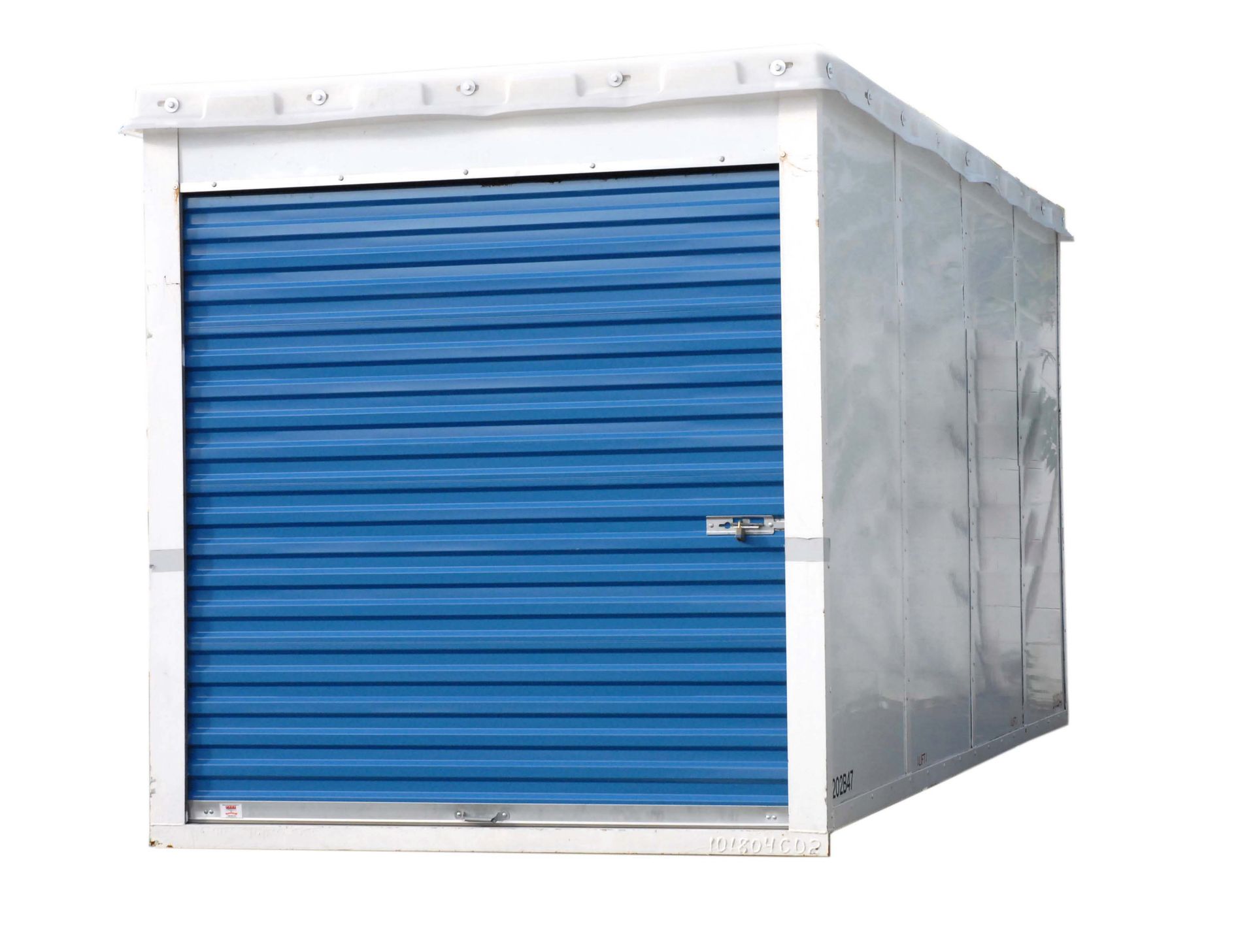
Packing and organizing your belongings efficiently can make a significant difference when using a local storage pod. Whether you are moving, renovating, or simply decluttering, a strategic approach helps protect your items and maximize space. With the right preparation, you can avoid damage, reduce stress, and make retrieval easier later.
Choosing the Right Packing Supplies
Using the proper packing materials is the foundation of a well-organized storage experience. Sturdy boxes in uniform sizes help maximize stacking efficiency and prevent shifting during transport. Avoid overusing large boxes for heavy items, as they can become difficult to lift and more prone to breaking.
Invest in high-quality packing tape, bubble wrap, and packing paper to safeguard fragile belongings. Plastic bins can be especially useful for items that may be exposed to moisture, even in a well-sealed storage pod. Labelling supplies such as markers and color-coded stickers also play a critical role in keeping everything accessible. When possible, reuse materials you already have, but ensure they are still in good condition. Damaged boxes or worn-out padding can compromise the safety of your belongings.
Decluttering Before Packing
Before placing anything into a local storage pod, take time to sort through your belongings. This step reduces the number of items you need to store and helps you focus on what truly matters. Separate items into categories such as keep, donate, sell, or discard.
Decluttering not only saves space but also reduces costs if you are renting based on size or duration. It also makes unpacking far more manageable, as you will not be dealing with unnecessary items later.
According to CBRE Investment Management, the average U.S. household used 13.4 square feet of self-storage space in 2024, up from 12.1 square feet in 2019. This increase highlights the growing reliance on storage solutions, making it even more important to use your space wisely.
Categorizing Items for Easy Access
Grouping similar items together simplifies both packing and retrieval. Keep kitchen items with kitchen items, office supplies with office supplies, and so on. This method ensures that when you need something later, you will not have to dig through multiple boxes.
Consider creating an inventory list as you pack. Write down the contents of each box and assign it a number or label. This system pairs well with clearly marked boxes and can save significant time when accessing your local storage pod. Place frequently needed items in easily accessible areas, preferably near the front. Less frequently used belongings can be stored toward the back.
Protecting Fragile and Valuable Items
Fragile items require extra care to prevent damage during storage and transport. Wrap each item individually using bubble wrap or packing paper, and fill any empty spaces in the box to prevent movement.
For especially delicate items such as glassware or electronics, consider double-boxing. Place the wrapped item in a smaller box, then place that box inside a larger one with additional padding. Valuable items should be handled with particular attention. While a storage pod offers convenience, it is still important to ensure that irreplaceable belongings are well-protected or stored in a more secure environment if necessary.
Maximizing Vertical Space Efficiently
One of the most effective ways to organize a local storage pod is by utilizing vertical space. Stack boxes evenly and place heavier items at the bottom to create a stable base. Lighter boxes can go on top to prevent crushing.
Disassemble furniture when possible to save space. Items such as bed frames, tables, and shelving units can be broken down and stored flat. Keep all screws and small parts in labelled bags and tape them to the corresponding furniture piece. Use shelving units or stackable containers if available. This approach not only maximizes space but also helps maintain organization over time.
Labelling Clearly and Consistently
Clear labelling is essential for staying organized. Each box should include a brief description of its contents and the room it belongs to. Avoid vague labels like “miscellaneous,” as they can create confusion later.
Consistency is key. Use the same format for all labels, and consider marking multiple sides of each box so the information is visible from different angles. Color-coding by room can also make it easier to identify boxes quickly. A properly labelled local storage pod allows you to locate items without unnecessary unpacking, saving both time and effort.
Planning the Layout Strategically
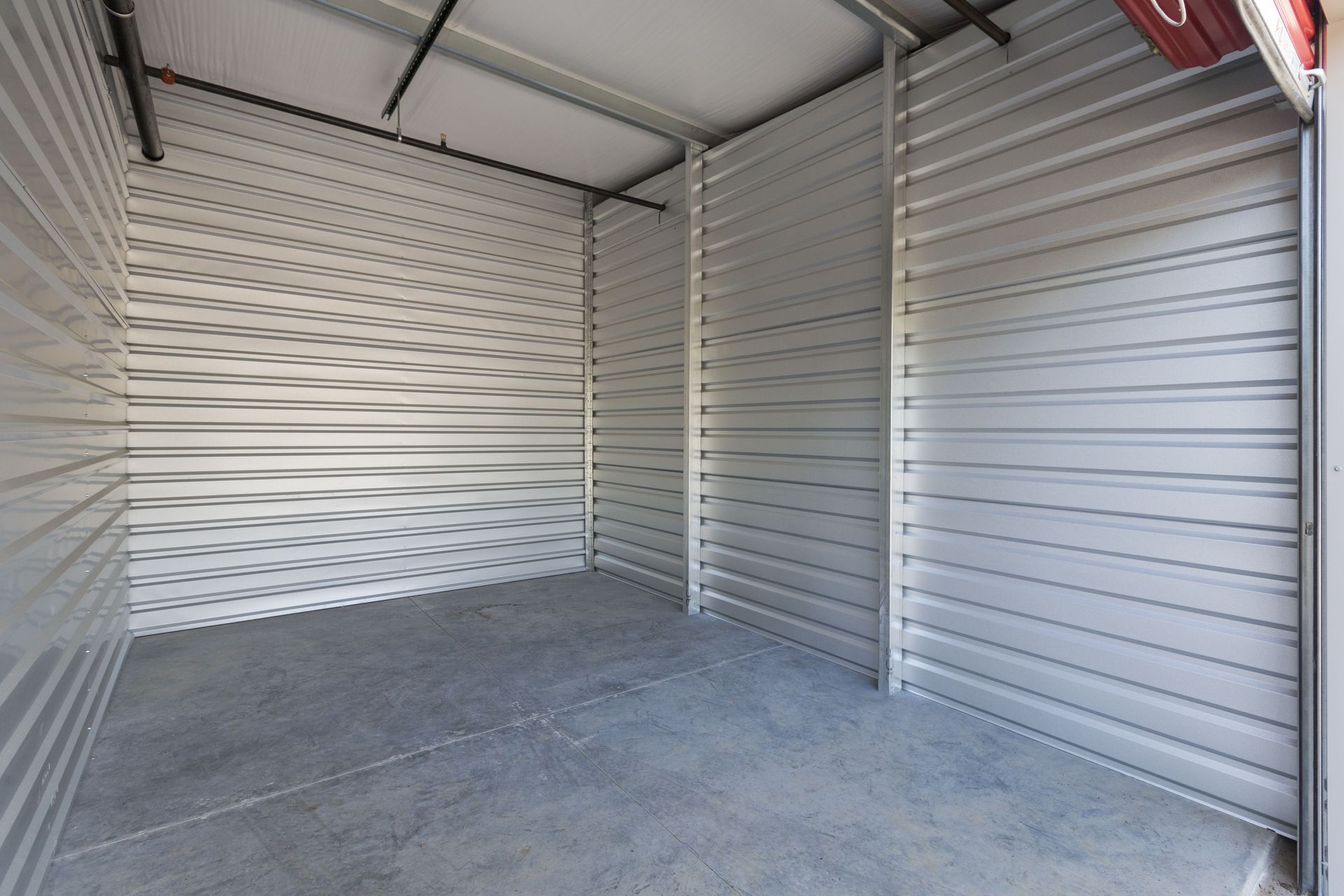
Before loading your items, take a few minutes to plan the layout of your storage pod. Visualize where larger items will go and how boxes will be stacked around them. This preparation prevents wasted space and reduces the need to rearrange later.
Create a central aisle if possible. This small walkway allows you to access items in the middle or back without unloading everything. Place bulky furniture along the walls and stack boxes in a way that maintains balance and stability. Strategic placement also helps protect your belongings by preventing items from shifting during movement or transport.
Using Protective Covers and Barriers
Dust, moisture, and temperature changes can affect stored items over time. Using protective covers such as furniture blankets, plastic wraps, and mattress covers adds an extra layer of protection.
Place pallets or boards on the floor of the pod if you are concerned about moisture. Elevating your belongings slightly can prevent potential damage, especially for items like wooden furniture or cardboard boxes. Barrier methods, such as lining the walls with blankets or padding, can also help protect items from scratches or dents.
Keeping an Inventory for Tracking
Maintaining a detailed inventory is one of the most overlooked yet valuable organizational tips. A simple spreadsheet or notebook can help you track what is stored and where it is located.
List each box along with its contents and position within the pod. This system is particularly useful for long-term storage, where you may forget what you packed over time. An inventory ensures that your local storage pod remains organized and that nothing gets lost or overlooked.
Preparing for Long-Term Storage Needs
If you plan to store items for an extended period, take additional precautions. Clean all items thoroughly before packing to prevent mould, odors, or pest issues. Avoid storing perishable goods or anything that could attract insects.
Use moisture absorbers or desiccants to control humidity levels inside the pod. For clothing and fabrics, consider vacuum-sealed bags to save space and provide extra protection. Regularly check on your storage unit if possible. Periodic inspections allow you to address any issues before they become significant problems.
Securing Your Belongings Properly
Security is an important consideration when using storage solutions. Ensure that your pod is locked securely and placed in a safe, well-monitored location if applicable.
Distribute weight evenly to prevent shifting, which can cause damage during transport. Use straps or tie-downs to keep items in place, especially if the pod will be moved. Taking these precautions helps ensure that your belongings remain safe and intact throughout the storage period.
Packing and organizing a storage unit effectively requires planning, attention to detail, and the right materials. By following these practical tips, you can make the most of your space while protecting your belongings. A well-organized approach ensures that your storage experience is efficient, secure, and stress-free. If you are looking for a reliable storage company, contact Store on Site today to learn more and get started!