April 17, 2026
Pod storage has quickly become a go-to solution for homeowners and businesses looking for flexible, secure, and convenient storage options. Whether you're planning a move, managing excess inventory, or simply need extra space, understanding how pod storage works can help you make smarter decisions. From choosing the right pod storage container type to evaluating your specific storage needs, taking a thoughtful approach ensures you get the most value, protection, and efficiency from your storage solution.
1. Understanding Pod Storage Basics
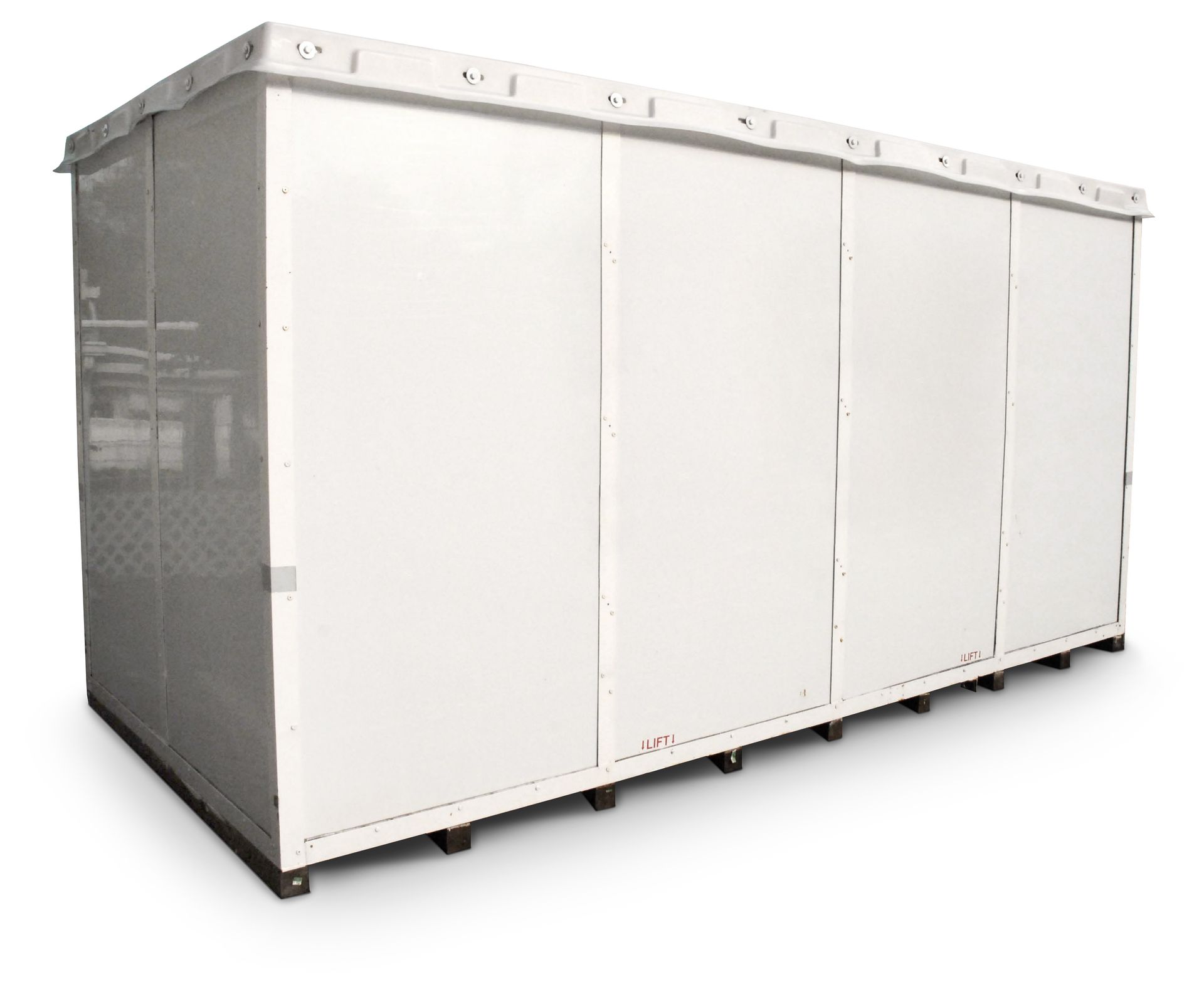
Pod storage containers are portable storage units that can be transported to various locations. They offer a unique solution compared to traditional storage facilities, providing flexibility in movement and placement. Constructed from durable materials, they are built to withstand transportation and external environmental conditions. Whether relocated for storage needs or used in a migration scenario, these pod storage containers provide a superior level of convenience. While initially developed for cross-country moves, their usage now extends to temporary on-site storage and business inventory management.
Pod storage containers come in various types, each designed to suit different storage needs and environments. Most common types include steel and aluminum pods, which offer sturdiness and weather resistance. There are also climate-controlled pods for storing temperature-sensitive items. Additionally, some pods come with enhanced security features for valuable possessions. The wide range of options allows users to select a type that fits their specific storage objectives.
The primary advantage of pod storage is its convenience, allowing for easy transport and flexible storage solutions. This mobility is particularly useful for individuals and businesses that frequently relocate or require temporary storage. Pod storage also eliminates the need for transportation of goods to a static storage facility, saving both time and effort. Additionally, the security measures incorporated in pods ensure peace of mind when storing valuable items. This adaptability and security make pod storage an increasingly popular choice.
Cost is a crucial factor when considering pod storage, with expenses varying based on size, type, and duration of use. Initial costs generally include delivery, pickup, and monthly rental, though these may fluctuate with the provider and location. Prospective users should compare prices across different providers to find the most economical option. Some providers offer discounts for long-term rentals, making it more affordable for extended use. Budgeting properly will ensure cost-effectiveness while meeting storage needs.
Pod storage containers are employed for a variety of purposes, ranging from personal to professional applications. Most commonly, they are used for moving and relocation services due to their portability and ease of access. Businesses often use pod storage for excess inventory, providing a scalable solution for short-term storage needs. Additionally, homeowners use pods for seasonal items, allowing for space optimization. As the demand for mobility increases, usage scenarios for pod storage are further expanding.
2. Assessing Your Storage Needs
Determining the required volume of storage is a fundamental step in choosing the right pod. Potential users must assess the quantity and size of items to be stored, ensuring the chosen pod efficiently accommodates these belongings. Packing techniques can influence space utilization, making it vital to plan the organization within the pod. Prospective renters should also consider whether they anticipate future acquisitions that would necessitate additional space. Proper evaluation will prevent high costs while ensuring sufficient storage capacity.
The intended duration of storage significantly impacts the decision-making process for selecting a pod. Short-term needs may prioritize transportability and ease of access, while long-term storage may require enhanced durability features. Rental agreements often vary based on time periods, with potential cost savings available through special long-term pricing. Understanding usage duration allows for financial planning and selection of the most appropriate pod type. Precise estimates avoid unnecessary expenditure and simplify transitions between storage solutions.
Access frequency must be considered when choosing a pod, especially if items need to be retrieved regularly. Some users might favor pods that allow for immediate opening and easy organization. Evaluating the balance between security and accessibility helps in determining whether additional features, such as sliding doors or shelving, are necessary. Logistical arrangements should account for this frequency to avoid disruptions in accessing stored items. Proper planning ensures smooth access operations and increased efficiency.
Environmental conditions, such as weather exposure and geographic location, play a significant role in selecting pod storage solutions. Pods stored outdoors must provide adequate weatherproofing to protect contents from temperature fluctuations and precipitation. Areas prone to extreme climates might necessitate specialized pods tailored to these challenges. Climate-controlled pods serve as a suitable option for safeguarding temperature-sensitive valuables. These considerations ensure stored items remain in optimal condition throughout the storage duration.
Sophisticated storage solutions should include considerations for future scalability and flexibility. As needs evolve over time, pod storage can expand to accommodate growing inventory or belongings. Businesses, in particular, benefit from this adaptability, maintaining the ability to scale storage efficiently. According to Yahoo Finance, in 2025, almost 92% of long-distance moves using PODS were out-of-state relocations, underscoring the interstate nature of these moves. By planning ahead, users can choose storage options that support future growth demands.
3. Knowing Your Material and Construction
The choice between steel and aluminum structures plays a pivotal role in the selection of pod storage. Steel pods offer robustness and security, often favored for their resistance to theft and environmental hazards. On the other hand, aluminum pods are lighter and more flexible but may require additional protection in rugged conditions. Consideration of transport frequency and environmental exposure helps determine the suitability of each material. Choosing the right material contributes to overall durability and usability.
Weatherproofing and insulation are critical features for pod storage, particularly for long-term storage. Pod storage containers with advanced sealing techniques help protect contents from moisture and dirt. Well-insulated pods maintain stable internal temperatures, ideal for temperature-sensitive items. Evaluation of local climates and pre-existing weather conditions informs appropriate weatherproofing decisions. Pod providers often supply insights into insulation ratings, helping to align pods with specific environmental needs.
The incorporation of security measures within pod storage enhances protection against unauthorized access. Locking mechanisms, tamper-resistant seals, and reinforced doors all contribute to improved security for stored items. Additional options, such as surveillance systems, offer extra peace of mind in high-risk areas. Providers differentiate themselves through innovative security solutions, catering to specific consumer demands. Thorough assessment of potential risks ensures adequate security is implemented.
Interior design and the layout within a pod storage container significantly affect practicality and ease of use. Customizable layouts, including shelving units and dividers, allow for organized placement of items based on individual needs. Prospective renters should evaluate potential configurations to optimize space utilization and accessibility. Interior modifications may be required to align with specific storage goals, increasing effectiveness. Properly organized interiors facilitate comfortable use while maximizing storage space.
In the end, selecting the right pod storage solution comes down to careful planning and a clear understanding of your unique needs. By taking the time to assess your current and future storage requirements, you can create a solution that adapts as your needs evolve. Whether you're storing personal items during a move or managing business inventory, the right pod can simplify logistics and provide peace of mind. If you're ready to streamline your storage experience, now is the perfect time to explore your options and connect with a trusted pod storage provider.
Get started today and secure a solution that’s built around your lifestyle, timeline, and storage goals. Contact Store on Site today to learn more!