February 19, 2026
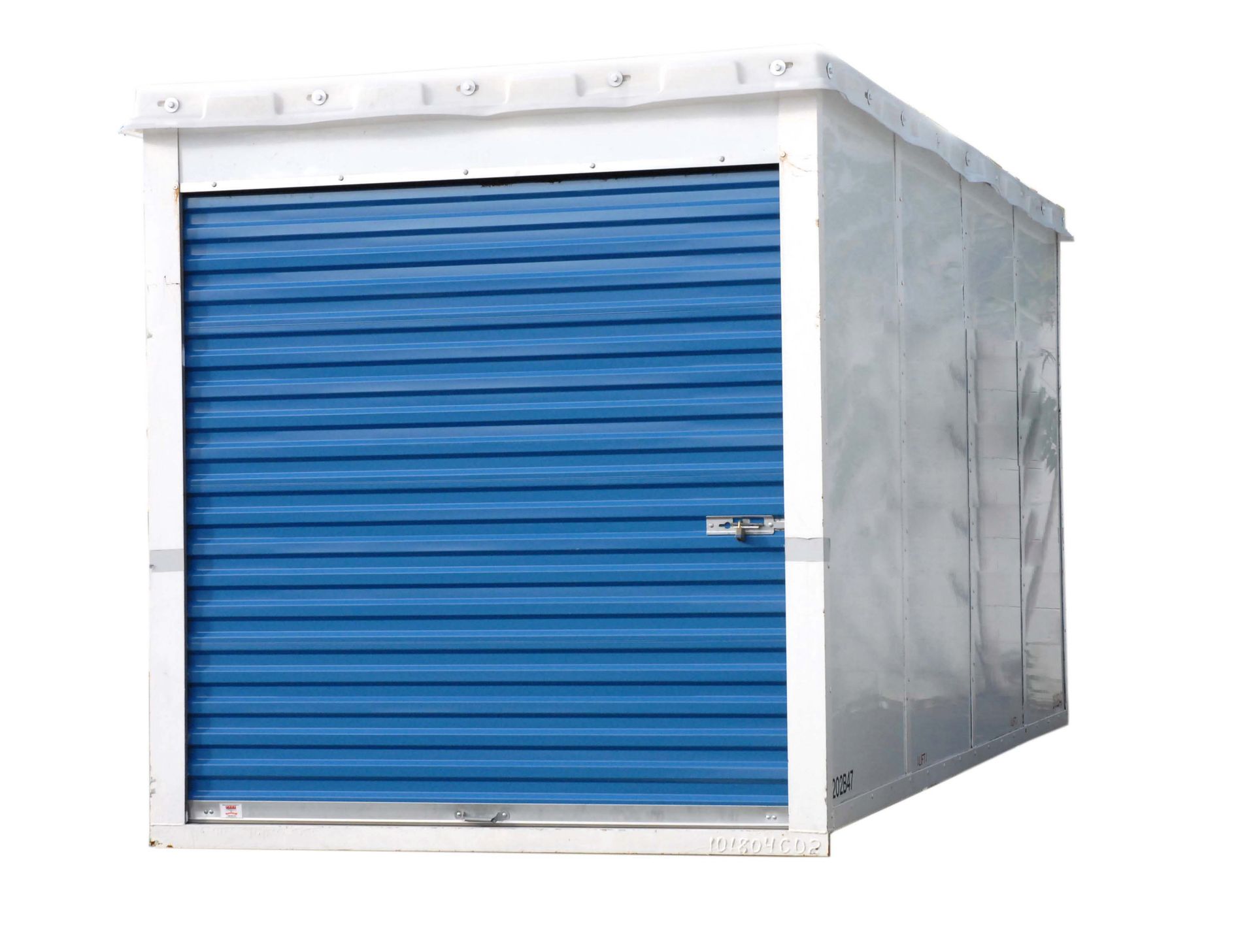
The modern world thrives on convenience, flexibility, and efficiency, and the storage service industry has evolved to meet those expectations. On-demand portable storage has emerged as one of the most transformative developments within this field, providing customers with flexible solutions for residential, commercial, and industrial storage needs. Unlike traditional facilities that require customers to transport their belongings to a fixed location, portable storage allows containers to be delivered directly to a customer’s home or business. This innovation has reshaped how individuals and organizations manage space, relocations, and inventory.
The rise of on-demand portable storage reflects broader changes in consumer behavior and technological advancements. As lifestyles have become more mobile and businesses have adopted more agile operations, the demand for adaptable storage solutions has grown. Understanding the history and development of this storage service offers valuable insight into how the industry has evolved and where it may be headed in the future.
What Are the Origins of On-Demand Portable Storage?
The roots of on-demand portable storage can be traced to early shipping and transportation innovations. Before portable storage containers became widely available for residential and commercial use, businesses relied heavily on warehouses and freight shipping containers to move goods across long distances. These early methods laid the groundwork for modern storage service models by demonstrating the effectiveness of standardized containers for transportation and storage.
The shipping industry played a critical role in shaping containerized storage. According to InBox, the first commercial container ship was created by converting a World War II oil tanker that transported 58 containers from New Jersey to Texas during its inaugural voyage in April 1956. This milestone marked the beginning of containerized transport, showing how standardized containers could streamline loading, unloading, and shipping processes. The success of container shipping inspired entrepreneurs and logistics experts to consider how similar concepts could be adapted for consumer-focused storage service solutions.
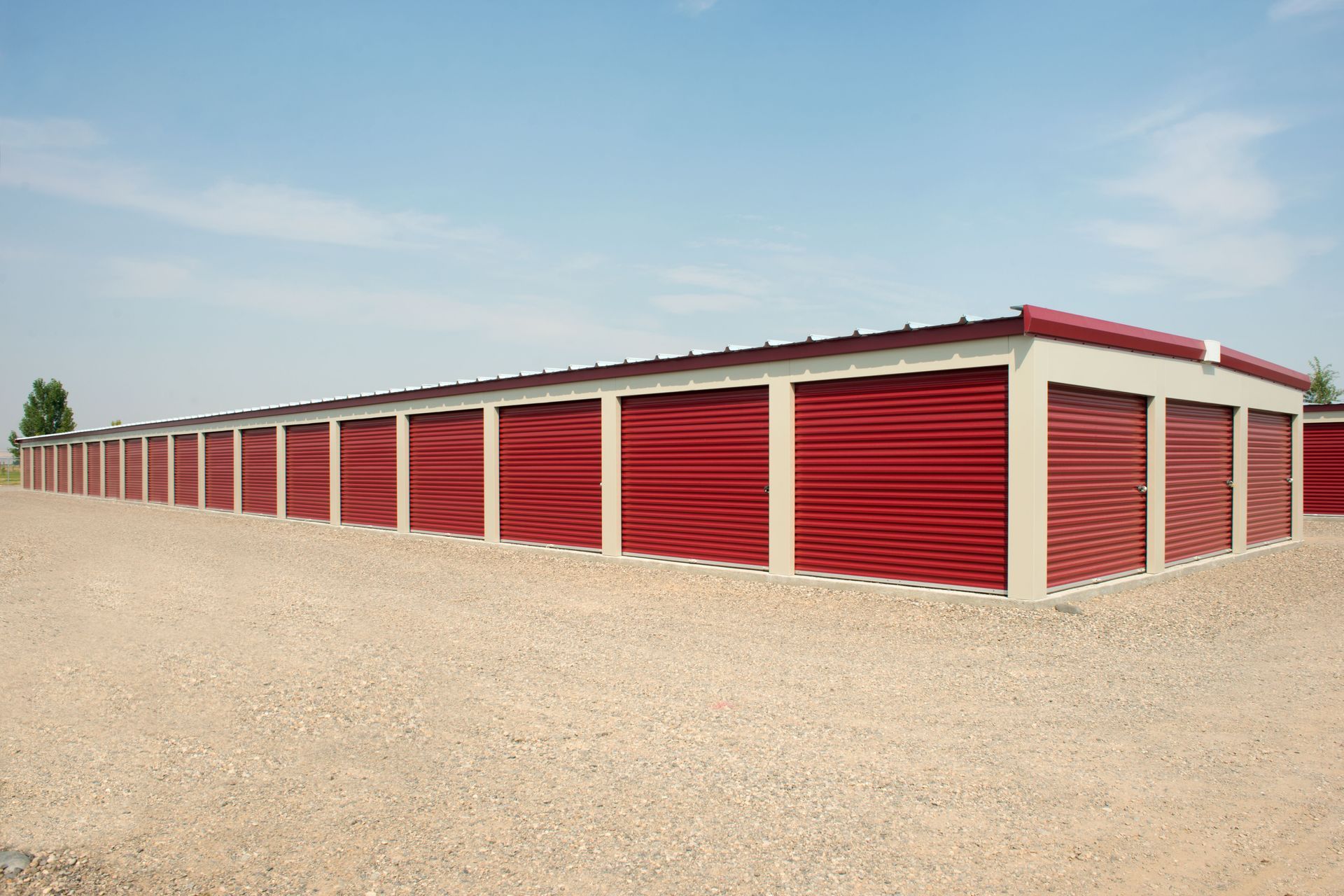
During the late twentieth century, storage facilities expanded rapidly as urban populations grew and living spaces became smaller. Traditional self-storage units provided a convenient solution for customers needing extra space, but they still required transportation and manual labor from the customer. Innovators began exploring ways to reduce these challenges by combining delivery logistics with containerized storage, ultimately leading to the birth of on-demand portable storage.
How Has the On-Demand Portable Storage Service Evolved Over Time?
The evolution of on-demand portable storage has been shaped by technological advancements and improvements in logistics management. Early portable storage models focused primarily on delivering large containers to customers for temporary use. These initial systems offered convenience but lacked the sophisticated tracking and scheduling capabilities that customers expect today.
As digital technologies advanced, companies began integrating software platforms that improved scheduling, container tracking, and customer communication. These tools enhanced the efficiency of the storage service by allowing customers to request deliveries, schedule pickups, and manage their accounts through user-friendly online systems. The integration of GPS tracking and inventory monitoring also improved reliability and transparency.
Material improvements have also contributed to the evolution of portable storage. Modern containers are designed to withstand harsh weather conditions, protect contents from moisture, and provide increased security through advanced locking mechanisms. Additionally, companies have developed containers in various sizes to accommodate different storage service needs, ranging from small residential moves to large commercial inventory management.
Logistical networks have also expanded significantly. Companies now operate extensive delivery fleets and centralized storage facilities that allow containers to be transported efficiently between locations. This logistical sophistication has transformed portable storage into a versatile storage service that supports long-term storage, moving assistance, and temporary space solutions for construction and renovation projects.
What Makes On-Demand Portable Storage Appealing in Today’s Market?
The popularity of on-demand portable storage can largely be attributed to its convenience and flexibility. Consumers increasingly value services that simplify complex tasks, and portable storage meets this demand by eliminating the need for multiple transportation steps. Customers can pack their belongings at their own pace while the container remains on-site, which reduces stress and allows for better organization.
Another key advantage is accessibility. Traditional storage facilities often require customers to travel to a separate location, which can be inconvenient and time-consuming. With portable storage, containers can remain on a customer’s property or be transported to a secure facility, depending on the user’s preference. This flexibility has made portable storage a highly attractive storage service for homeowners, renters, and business owners alike.
Cost-effectiveness also contributes to its appeal. By combining moving and storage into a single solution, portable storage can reduce expenses associated with hiring moving trucks or paying for multiple services. Businesses also benefit from the ability to manage seasonal inventory, equipment, and supplies without committing to long-term warehouse leases.
Security and protection are additional factors that drive consumer interest. Modern containers are designed with durable materials and reinforced locking systems, which provide peace of mind for customers storing valuable items. Many storage service providers also offer climate-controlled facilities, ensuring that sensitive belongings such as electronics, documents, and furniture remain protected from environmental damage.
Who Are the Major Players in the On-Demand Portable Storage Service Market?
Several prominent companies have played a significant role in shaping the portable storage landscape. These organizations have introduced innovative solutions that have expanded the capabilities and accessibility of portable storage. By focusing on customer convenience, operational efficiency, and technological integration, these companies have helped establish portable storage as a mainstream storage service.
Industry leaders have invested heavily in research and development to improve container design, delivery systems, and customer experience. Many companies offer customizable solutions that cater to specific storage service requirements, such as residential moving, commercial storage, and construction site storage. Their ability to adapt to changing consumer demands has allowed them to remain competitive in a rapidly evolving industry.
Innovation remains a driving force among major market players. Some companies have introduced mobile applications that allow customers to manage their storage service accounts seamlessly. Others have focused on expanding geographic coverage to ensure that portable storage remains accessible in both urban and rural communities. These efforts have contributed to widespread adoption and continued growth within the industry.
What Are the Future Trends in On-Demand Portable Storage Services?
The future of portable storage is expected to be shaped by advancements in technology, sustainability initiatives, and changing consumer expectations. Smart technology integration is likely to play a significant role in enhancing the storage service experience. Features such as remote monitoring, digital locking systems, and real-time container tracking may become standard offerings, providing customers with increased security and convenience.
Sustainability is another emerging trend that is influencing the storage service industry. Companies are exploring environmentally friendly container materials, energy-efficient storage facilities, and optimized delivery routes to reduce carbon emissions. As environmental awareness continues to grow, customers are increasingly seeking storage solutions that align with sustainable practices.
Urbanization and remote work trends are also expected to impact the demand for portable storage. As people relocate more frequently and businesses adopt flexible workspace models, the need for adaptable storage service solutions is likely to increase. Portable storage offers a practical way to manage transitions, renovations, and temporary storage needs without requiring permanent infrastructure investments.
Additionally, customization may become more prominent in future portable storage offerings. Customers may have the option to select containers with specialized features such as enhanced climate control, modular storage compartments, or integrated inventory management systems. These innovations could further expand the role of portable storage within both residential and commercial sectors.
The history of on-demand portable storage reflects the broader evolution of the storage service industry, driven by technological advancements and changing consumer needs. From its origins in containerized shipping to its modern role as a flexible storage solution, portable storage has transformed how individuals and businesses manage space and logistics. As innovation continues and new trends emerge, on-demand portable storage is poised to remain a vital component of the storage service landscape for years to come. If you're looking for on-demand portable storage, reach out to the professionals at Store on Site today!