November 16, 2026
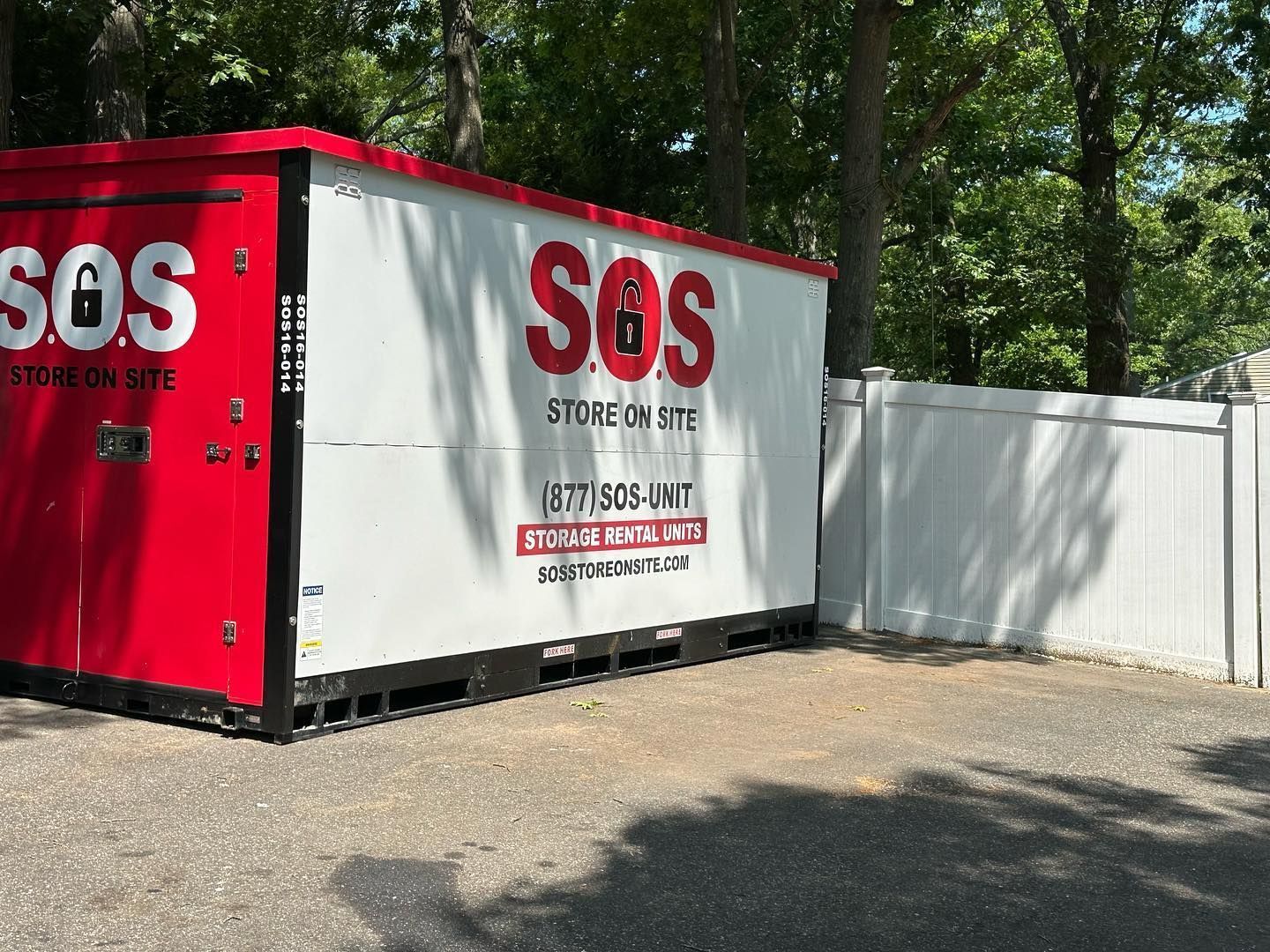
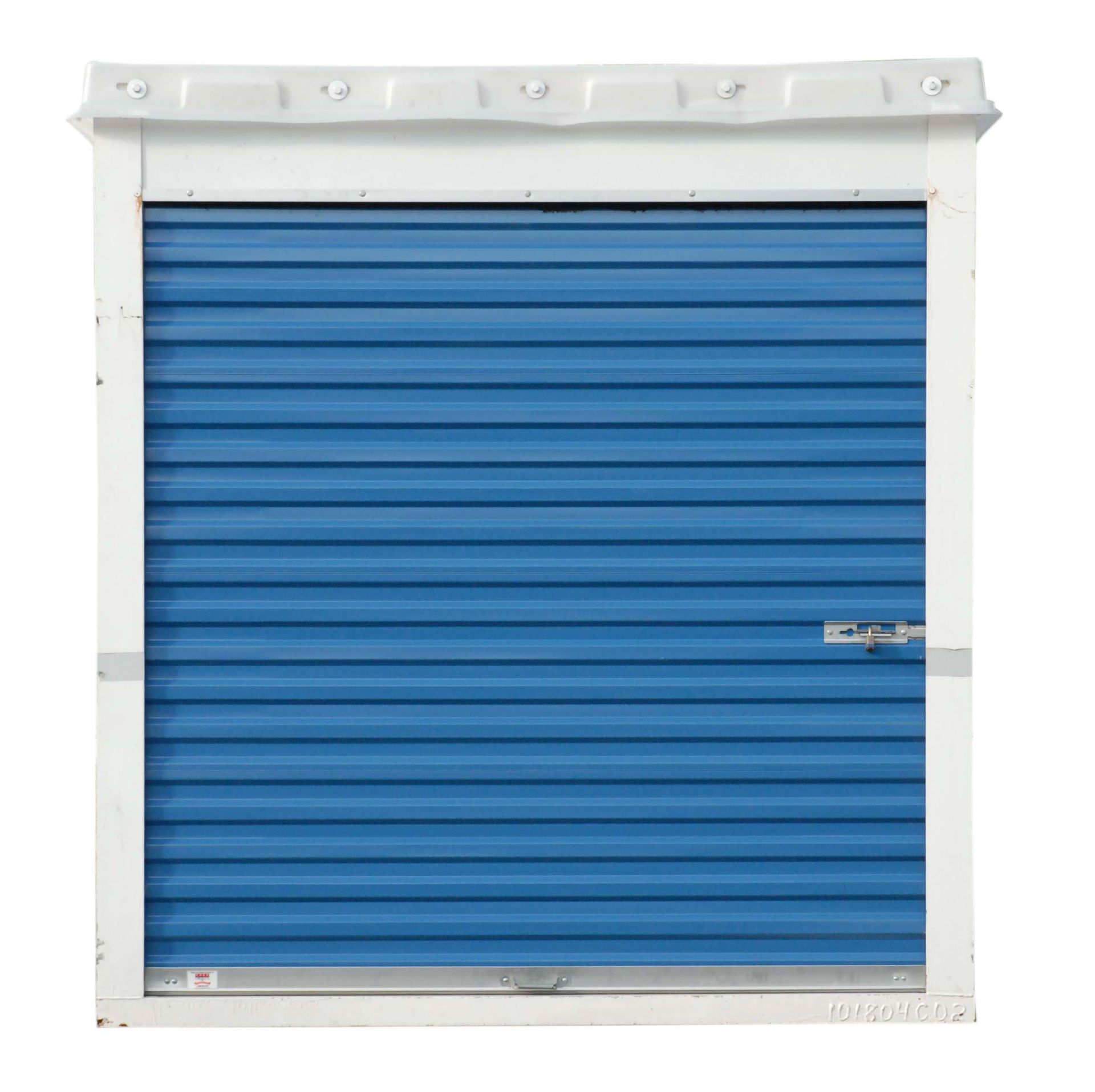
Finding enough storage space can become challenging when household belongings, business supplies, or project materials begin accumulating. Traditional storage facilities offer one solution, but transporting items between locations can require additional time and coordination. Portable storage provides an alternative by bringing storage space directly to a property. A pod container allows individuals and businesses to organize belongings, manage temporary projects, and accommodate changing storage needs without immediately expanding existing buildings. These units can support everything from residential moves to commercial renovations, depending on their size, placement, and permitted uses. Understanding the different applications of portable storage helps property owners determine whether this convenient option aligns with their available space, budget, and organizational priorities.
1. Creating Additional Storage During Home Renovations
Home renovations often require clearing furniture, appliances, and personal belongings from work areas. Kitchen remodeling, flooring replacement, painting, and other improvements can generate dust and debris that may damage items left nearby. Moving possessions into another room might create clutter and interfere with everyday activities. Portable storage offers a temporary location for belongings while contractors complete their work. This arrangement can help homeowners maintain safer, more organized living spaces throughout construction.
Placing a storage unit on the property allows homeowners to retrieve necessary items without traveling to an off-site facility. Furniture, boxed decorations, and household equipment can remain accessible while protected from routine construction activity. Before delivery, homeowners should identify a suitable placement area and confirm any applicable restrictions. Proper organization inside the unit also helps prevent unnecessary handling when renovation work is completed.
2. Simplifying Storage During Residential Moves
Moving between homes involves packing, transportation, scheduling, and coordinating access to different properties. These responsibilities become more complicated when closing dates, lease agreements, or construction schedules do not align. A pod container can provide temporary storage while homeowners prepare for relocation. Instead of transferring every possession immediately, individuals can pack belongings gradually and organize items according to their expected use. This flexibility can reduce pressure during an already demanding transition.
Portable storage arrangements may also accommodate situations where belongings must remain stored between moving dates. Depending on the provider, loaded units may be transported to another location or stored temporarily at a designated facility. Homeowners should confirm transportation options, delivery schedules, and storage conditions before making arrangements. Understanding these services helps individuals develop realistic moving plans and avoid unnecessary handling of furniture and household possessions.
3. Organizing Seasonal Household Belongings
Seasonal decorations, recreational equipment, patio furniture, and other occasional-use belongings can occupy considerable space inside a home. Garages, basements, and closets may become crowded when these items remain stored alongside everyday necessities. Portable storage provides an opportunity to separate seasonal possessions from frequently used belongings. This arrangement can make interior spaces easier to navigate while helping homeowners maintain more organized storage systems throughout the year.
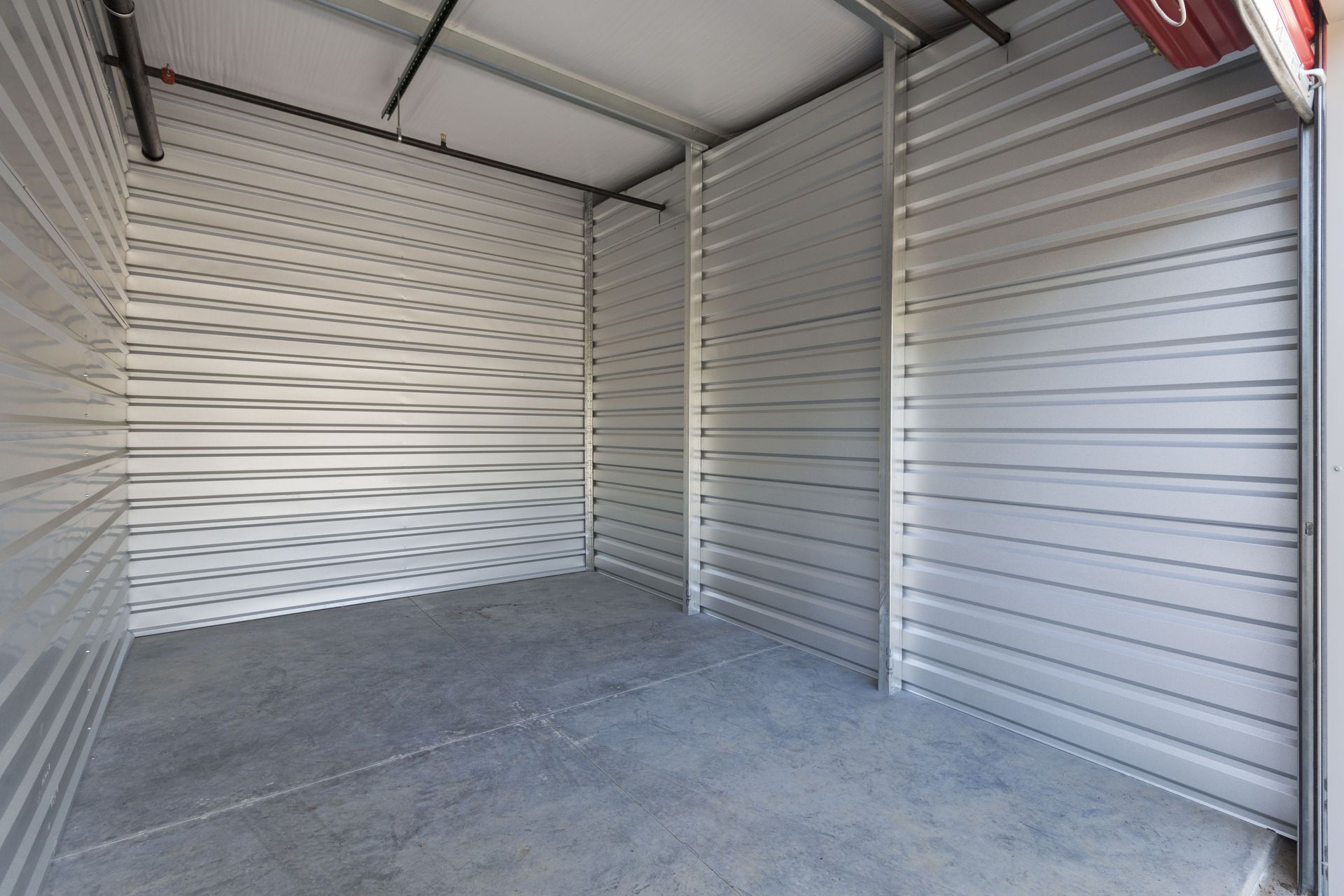
When organizing seasonal items, homeowners should use sturdy containers and clearly identify their contents. Frequently needed equipment should remain near the entrance, while less commonly accessed belongings can be positioned farther inside. Items should also be arranged to prevent shifting and unnecessary pressure on fragile possessions. Before storing temperature-sensitive materials, homeowners should consider whether the unit provides appropriate environmental protection. Careful planning makes seasonal storage more practical and accessible.
4. Supporting Storage Needs During Home Decluttering
Decluttering can help homeowners reclaim valuable living space, particularly when rooms contain furniture, collections, and possessions that are not regularly used. However, deciding what to keep, donate, sell, or discard may require time. Moving everything into permanent storage immediately can make the process more complicated. Temporary portable storage allows individuals to evaluate belongings gradually without leaving rooms overcrowded. This approach can be especially helpful when preparing a property for sale or reorganizing a household.
A pod container can serve as a temporary holding area while homeowners sort their possessions and determine appropriate destinations. According to Mordor Intelligence, individual renters accounted for 77.19% of the U.S. self-storage market share in 2026. This substantial share demonstrates the importance of individual storage needs within the industry. Portable units offer another option for managing household belongings, particularly when convenient access and flexible storage arrangements are priorities.
5. Expanding Storage Capacity for Small Businesses
Small businesses frequently experience changing storage requirements as inventory levels, equipment needs, and seasonal demand fluctuate. Retailers may need additional space for merchandise, while service providers might require secure locations for tools and supplies. Renting larger commercial premises solely for storage can create unnecessary expenses and long-term commitments. Portable storage offers an alternative that may help businesses accommodate temporary increases in materials without immediately modifying their existing facilities.
Business owners can use a pod container to organize eligible inventory, equipment, packaging materials, and other operational supplies. Keeping these items near the workplace may reduce transportation demands and simplify inventory management. However, businesses should evaluate local placement regulations, security requirements, and the suitability of stored materials. Providers can explain available unit dimensions and delivery arrangements, helping companies select storage solutions that support their operations.
6. Managing Equipment During Construction Projects
Construction and property improvement projects often involve numerous tools, supplies, and materials that require organized storage. Leaving equipment scattered across a worksite can interfere with movement, increase the risk of damage, and complicate daily operations. Portable storage units provide designated locations for suitable construction supplies while helping crews maintain cleaner working areas. This arrangement can be particularly useful during projects involving multiple contractors or changing work phases.
Contractors can organize equipment according to frequency of use and establish procedures for accessing stored materials. Heavy items should be positioned securely, and pathways should remain clear when workers need to retrieve supplies. Storage units should not be used for prohibited hazardous substances or materials requiring specialized conditions. Coordinating delivery and placement with the project schedule helps prevent interference with construction vehicles, equipment, and access routes.
7. Accommodating Storage During Major Life Changes
Changes in personal circumstances can create unexpected storage needs. Downsizing, combining households, assisting relatives, or preparing for extended travel may require temporarily relocating furniture and personal belongings. These transitions do not always follow predictable schedules, making permanent storage arrangements less appealing. A pod container can provide additional space while individuals evaluate their possessions and determine how they will be used in the future.
Flexible storage arrangements can be particularly valuable when households are uncertain about their long-term space requirements. Individuals may need to retain furniture while waiting for a new residence or preserve belongings during temporary housing arrangements. Before selecting a provider, customers should review rental periods, extension policies, and delivery availability. Understanding these conditions helps households avoid unnecessary scheduling complications and select arrangements that accommodate changing circumstances.
8. Improving Accessibility Through Convenient Storage Placement
One advantage of portable storage is the ability to position a unit near the location where belongings are needed. Traditional facilities may require repeated trips, vehicle loading, and transportation whenever items must be retrieved. On-site storage can reduce these demands by keeping possessions within convenient reach. This arrangement is especially useful during renovations, inventory organization, and projects requiring regular access to equipment or supplies.
Successful placement requires evaluating available ground space, delivery access, and property conditions. Units generally need stable, reasonably level surfaces and sufficient clearance for delivery equipment. Homeowners and businesses should also consider drainage, pedestrian access, and applicable neighborhood or municipal restrictions. Discussing these requirements with a storage provider before delivery helps identify suitable locations. Thoughtful placement makes portable storage more convenient without unnecessarily disrupting normal property activities.
Portable storage offers practical solutions for individuals and businesses facing temporary or changing space requirements. Whether supporting home renovations, simplifying moves, organizing seasonal belongings, or accommodating commercial inventory, these units can provide convenient access to stored possessions. They also help households manage decluttering projects, major transitions, and construction activities without immediately committing to permanent storage expansions. Choosing the right pod container involves evaluating available space, unit dimensions, rental terms, security features, and delivery requirements. Proper packing and organization further improve accessibility while helping protect stored belongings. By considering these factors, property owners can develop flexible storage arrangements that support their current needs and changing priorities. If you need additional storage space for your home, business, or upcoming project, contact Store on Site today to discuss your requirements and explore available portable storage solutions.